
Preventing Major Drain Blockages
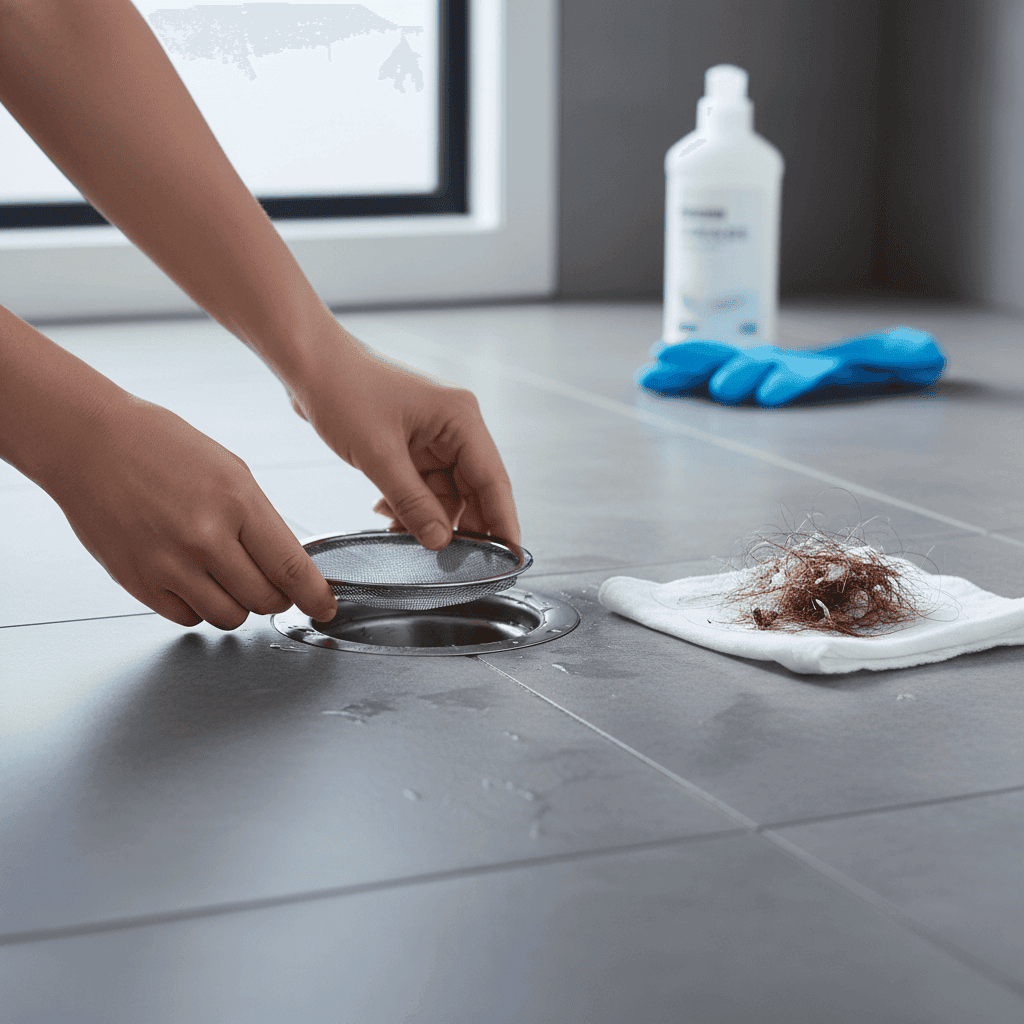
Clogged drains begin as a small nuisance and can quickly turn into a major headache. A slow kitchen sink, a shower that backs up after rinsing, or a foul smell near the floor drain are early warnings. If these signs are ignored, buildup moves deeper into pipes and can cause serious blockages that interrupt daily life and damage property.
This article explains how to prevent major drain blockages using practical habits, simple tools, and regular care. You will find clear steps for kitchen, bathroom, and outdoor drains. Read on for real world examples, a sensible maintenance schedule, and guidance on when to call in outside help.
Common causes of major drain blockages
Knowing what creates the problem is the first line of defense. Here are the usual suspects and how they form serious clogs over time
- Grease and cooking fat Grease that goes down the kitchen drain cools and hardens inside the pipe wall. Over months it traps food bits and narrows the passage until flow stops.
- Hair and soap scum In bathroom drains hair binds with soap residue to form dense masses. These are particularly risky in older pipes with rough interiors.
- Foreign objects Items such as cotton swabs, toys, and excessive toilet paper can collect and obstruct flow. Wet wipes are a frequent cause because they do not break down rapidly.
- Tree roots Roots enter tiny cracks and crevices seeking water and then expand, cracking pipes and creating tangled root masses that block mains.
- Mineral buildup Hard water leaves scale that reduces pipe diameter. This problem gets worse when scale combines with grease or sediment.
Early signs to watch for to avoid escalation
Catching issues while they are small stops them from becoming major events. Watch for these telltale clues
- Water drains slowly from sinks, tubs, or showers
- Gurgling sounds when water drains
- Multiple fixtures draining poorly at the same time
- Unpleasant odors near drains
- Water backing up into other fixtures during use
If you see one or two signs, take action quickly. For example, a slow bathtub drain cleared with a hair trap is an easy fix that prevents a future mainline blockage.
Practical DIY prevention steps everyone can do
Simple habits and a few inexpensive tools reduce the odds of a major blockage. These practices work in most homes and save costly repairs
- Use strainers Place fine mesh screens in kitchen sinks and shower drains to catch particles before they enter plumbing.
- Dispose of grease correctly Let grease cool and solidify in a container and throw it in the trash. Do not pour fats or oils down the sink.
- Limit paper in toilets Flush only toilet paper. Avoid wet wipes and excessive amounts of paper products.
- Weekly hot water flush Pour a kettle of hot water down kitchen drains once per week to loosen soft grease and small deposits.
- Monthly enzyme treatment Use a biological drain cleaner based on enzymes to break down organic buildup. These are safer for pipes than harsh chemicals.
- Regular hair removal Pull visible hair from shower drains after use and clean strainer baskets weekly.
Kitchen specific strategies to reduce blockages
Kitchens are a primary source of heavy blockage buildup. Small changes in routine prevent large problems over time
- Scrape plates into the trash before rinsing
- Wipe pans with a paper towel before washing to remove grease
- Run the garbage disposal with a strong flow of water and avoid fibrous or starchy items that can form pastes
- Install a drain trap that is easy to access and clean
Example. A household that stopped pouring leftover cooking oil down the sink and instead kept a jar for trash saw far fewer service calls for clogged kitchen pipes.
Bathroom best practices to keep drains clear
Bathrooms combine hair and soap to form dense clogs. Simple gear and cleaning routines keep drains moving freely
- Fit a hair catcher in showers and clean it after each use
- Avoid chemical drain cleaners that can damage pipe interiors over time. Use enzyme cleaners for regular maintenance
- Flush toilets carefully and remove foreign objects immediately
Shower maintenance tips
Remove visible hair, spray drain with a gentle cleaner monthly, and check water flow. If the shower backs up but the sink drains fine, suspect a localized clog near the shower trap.
Toilet care suggestions
Keep a small plunger nearby and teach household members to use it at the first sign of slow flushing. Replacing old wax rings and flappers can also prevent leaks that lead to sediment buildup.
Yard and storm drain considerations
Outdoor drains and sewer lines face different hazards. Leaves, sediment, and root intrusion can lead to large blockages that affect the entire home
- Clean gutters regularly to reduce the volume of leaves entering downspouts
- Keep compost and mulch away from direct drain inlets
- Avoid planting large trees near sewer lines and inspect roots if you notice repeated blockages
- Use grates on outdoor drains to catch debris and clear them after storms
If runoff pools near the foundation or multiple interior drains slow after heavy rain, that could indicate a blocked exterior drain or damaged mainline that needs inspection.
When to bring in outside help
Some problems require tools and experience that are not practical for most homeowners. Call a professional if you see any of these conditions
- Repeated clogs in multiple fixtures
- Water backing up into fixtures during appliance use
- Strong sewage odors that do not go away
- Signs of pipe damage such as wet spots in the yard, sinkholes, or persistent leaks
For complex or recurring issues consider scheduling professional drain cleaning services to inspect pipes, remove hardened buildup, and perform a camera assessment. A technician can detect tree root invasion, broken pipe sections, or severe mineral scale that a homeowner tool cannot address.
What to expect from a service visit
A qualified technician will usually inspect access points, run a camera through the line to locate the blockage, and choose a removal method such as mechanical snaking or hydro jetting. They can also advise on fixes that reduce reoccurrence.
When repairs are better than repeated cleaning
If a pipe is cracked or collapsed the same spot will clog again no matter how often it is cleaned. In these cases replacing the damaged segment saves time and money over repeated services.
Maintenance schedule and tools to keep on hand
Set a realistic schedule and keep a few tools to handle minor problems before they grow
- Monthly tasks. Clean drain strainers, run a hot water flush, and use an enzyme treatment in bathroom and kitchen drains
- Quarterly tasks. Inspect sink P traps, clean garbage disposal thoroughly, and clear outdoor grates
- Annual tasks. Schedule an inspection for main sewer lines, and arrange a camera check for older homes
Essential tools for homeowners
- Plunger for sinks and toilets
- Drain snake for shallow blockages
- Mesh strainers for all drains
- Enzyme based cleaner for routine maintenance
Knowing how and when to use each tool prevents accidental damage. For example, avoid using a drain snake in a garbage disposal unless you know where the obstruction is located.
Preventing major drain blockages is largely about habits and timely action. Small daily routines like using strainers and disposing of grease properly will keep most drains flowing for years. When you combine those habits with a simple maintenance schedule and seasonal checks, the risk of an emergency clog or costly repair goes down markedly. For problems that go beyond basic care, bring in trained technicians who can inspect lines, remove severe buildup, and recommend repairs that stop repeat incidents. If you want help setting a maintenance plan or need a professional inspection, contact a local service and arrange an assessment. Taking preventative steps today avoids disruptions to daily life tomorrow and protects the value of your home.